Find people who actually show up
No spam, no AFKs, no wipes from people who didn't prepare. Match with players at your skill level who can actually make your raid times.
WoW raids need 10 to 20 coordinated players. Destiny 2 dungeons are a few players who know what they're doing. Elden Ring summons run tight windows. Most LFG channels are just people saying they'll join and then ghosting. OpenRiad cuts through that by matching on timezone, roles you need filled, DPS prep and how people actually communicate. You're not spending hours vetting randos only to watch someone vanish right before the pull.
See how it works
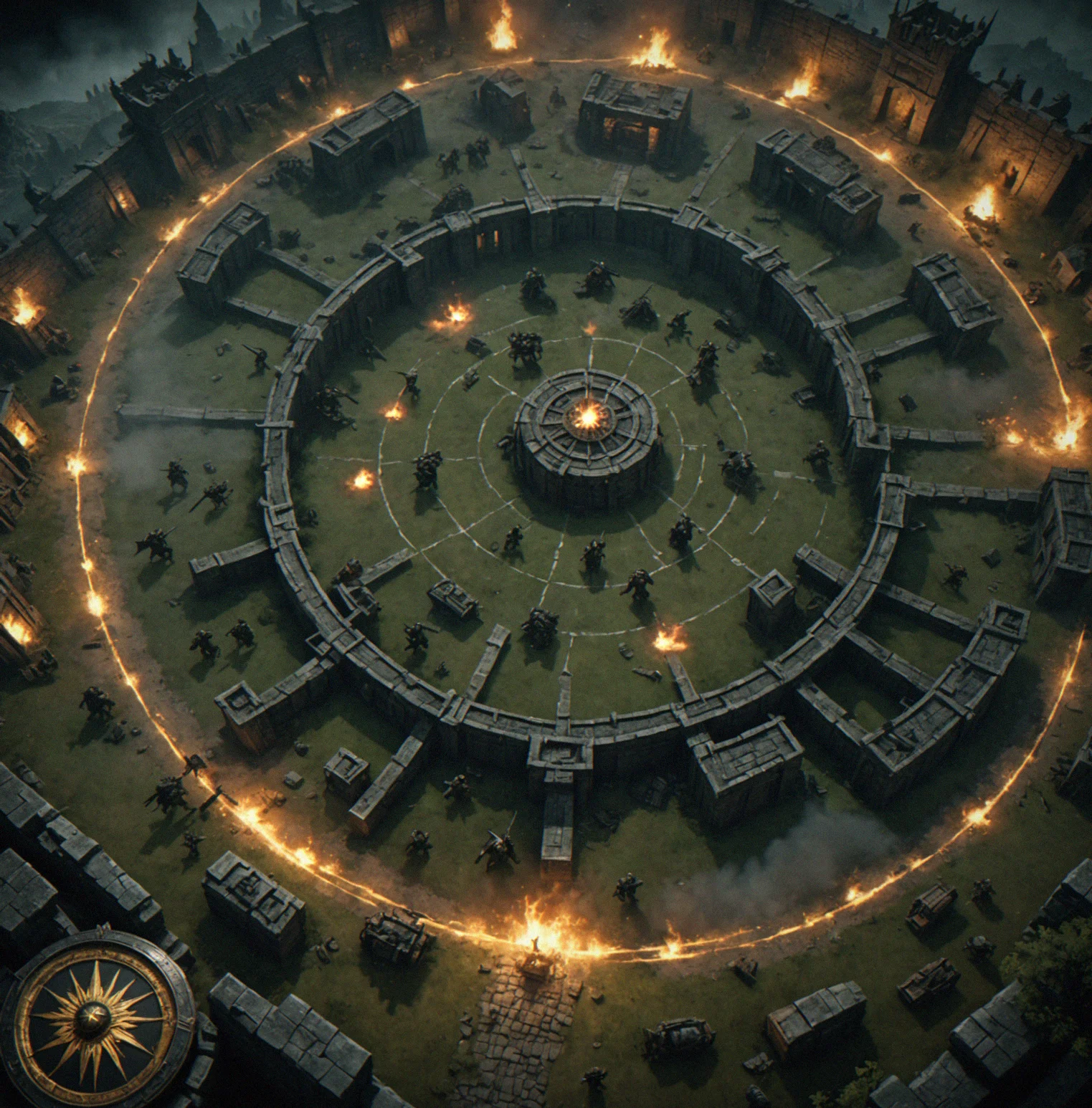
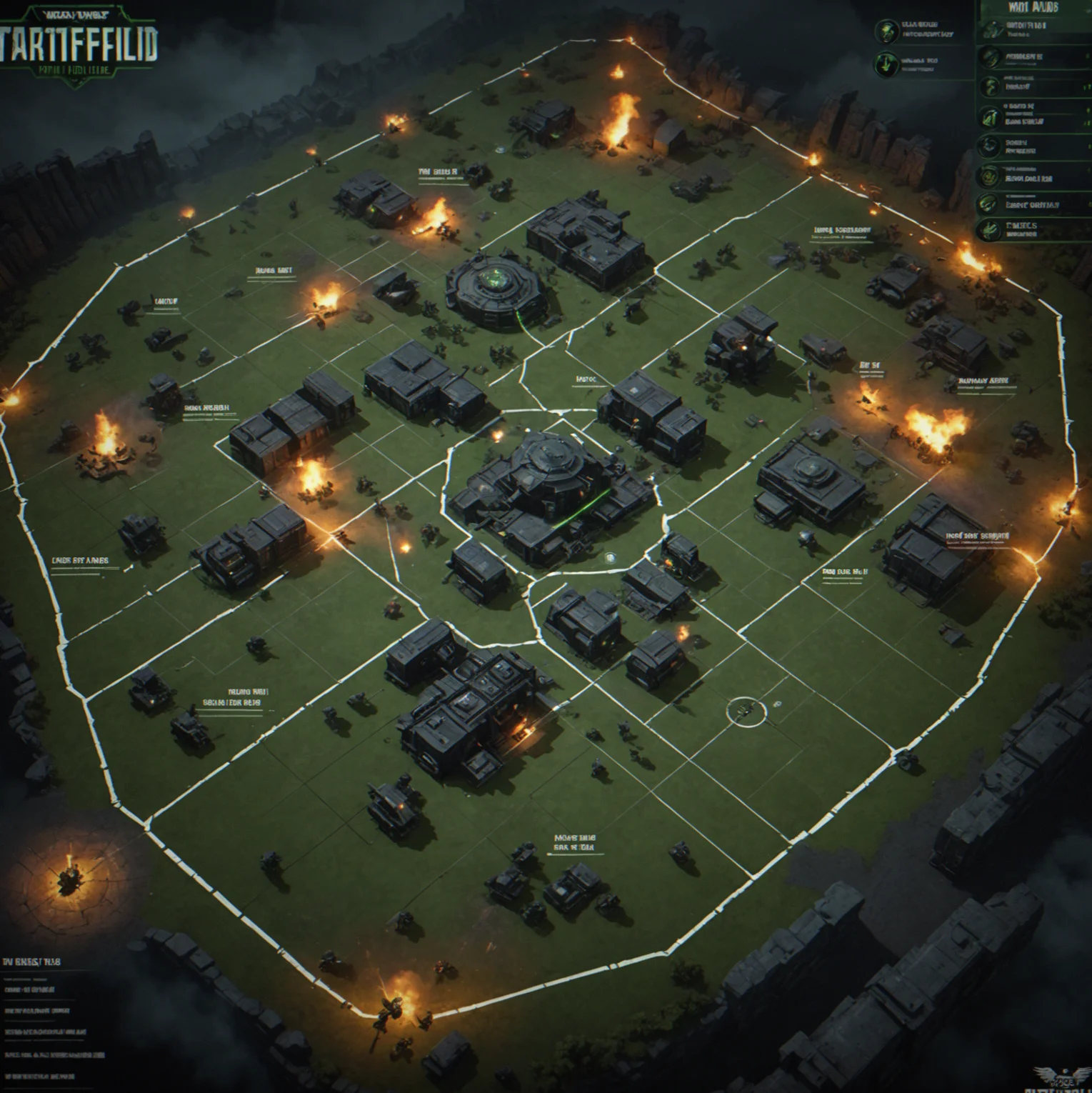
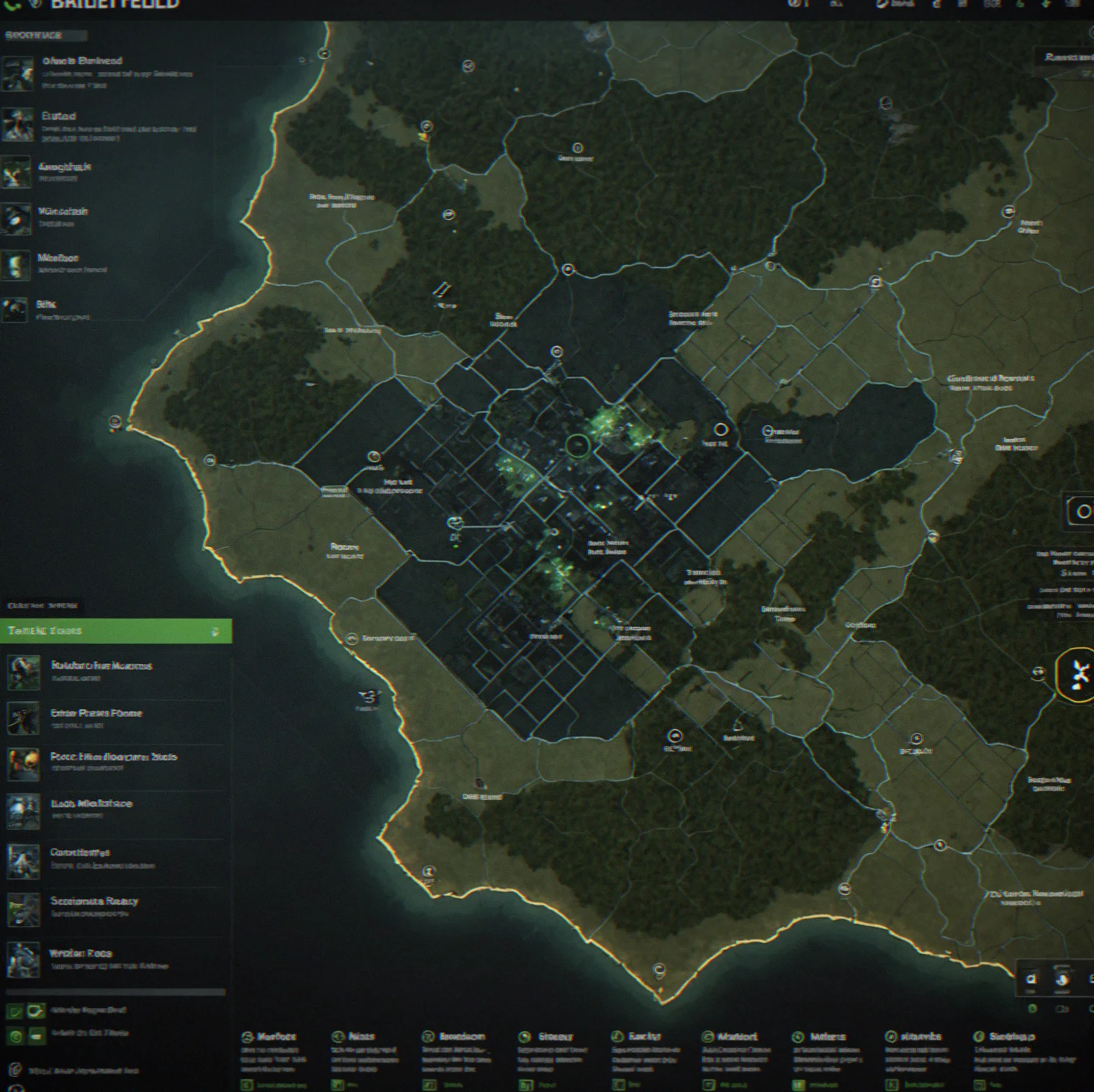
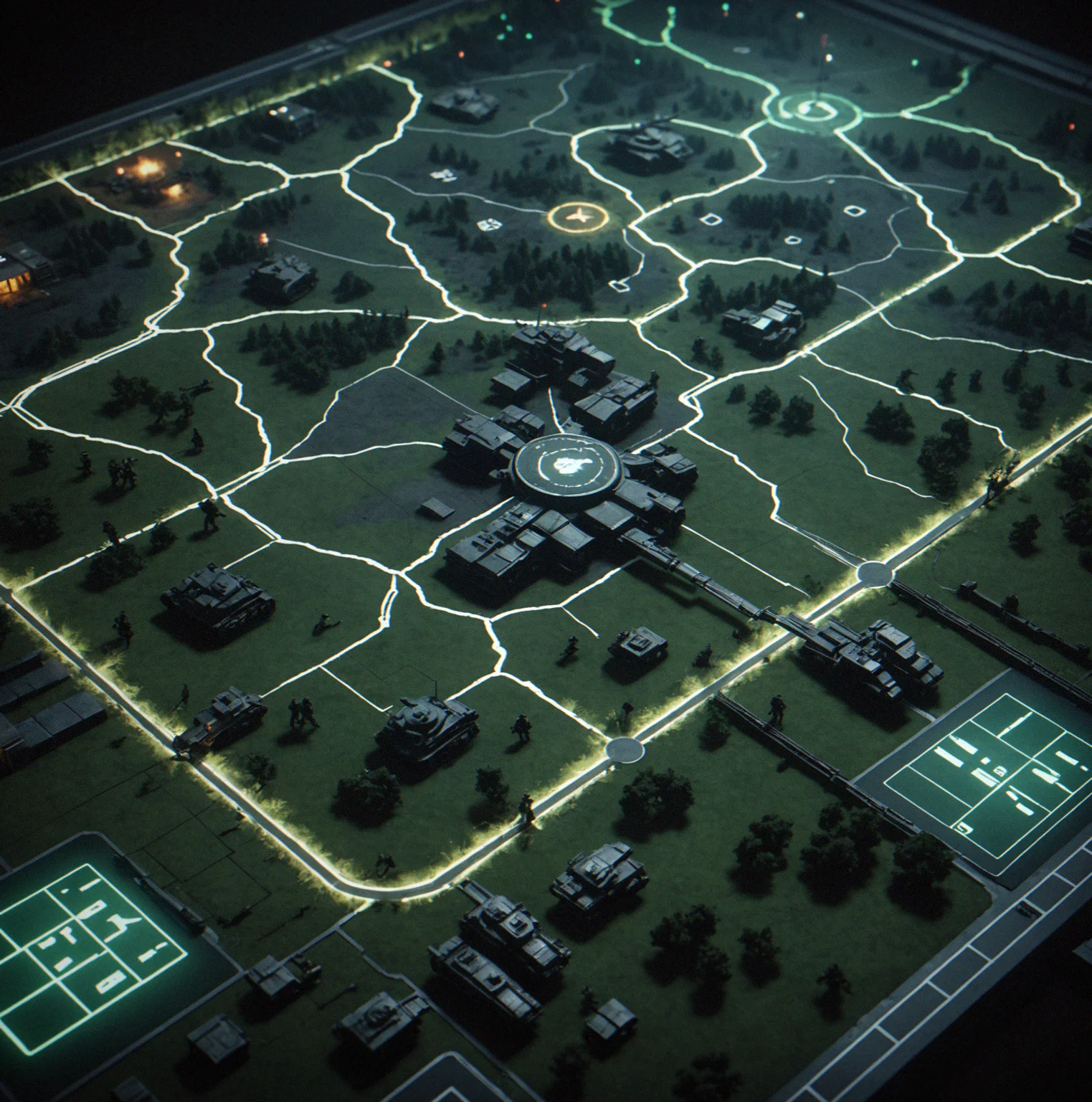
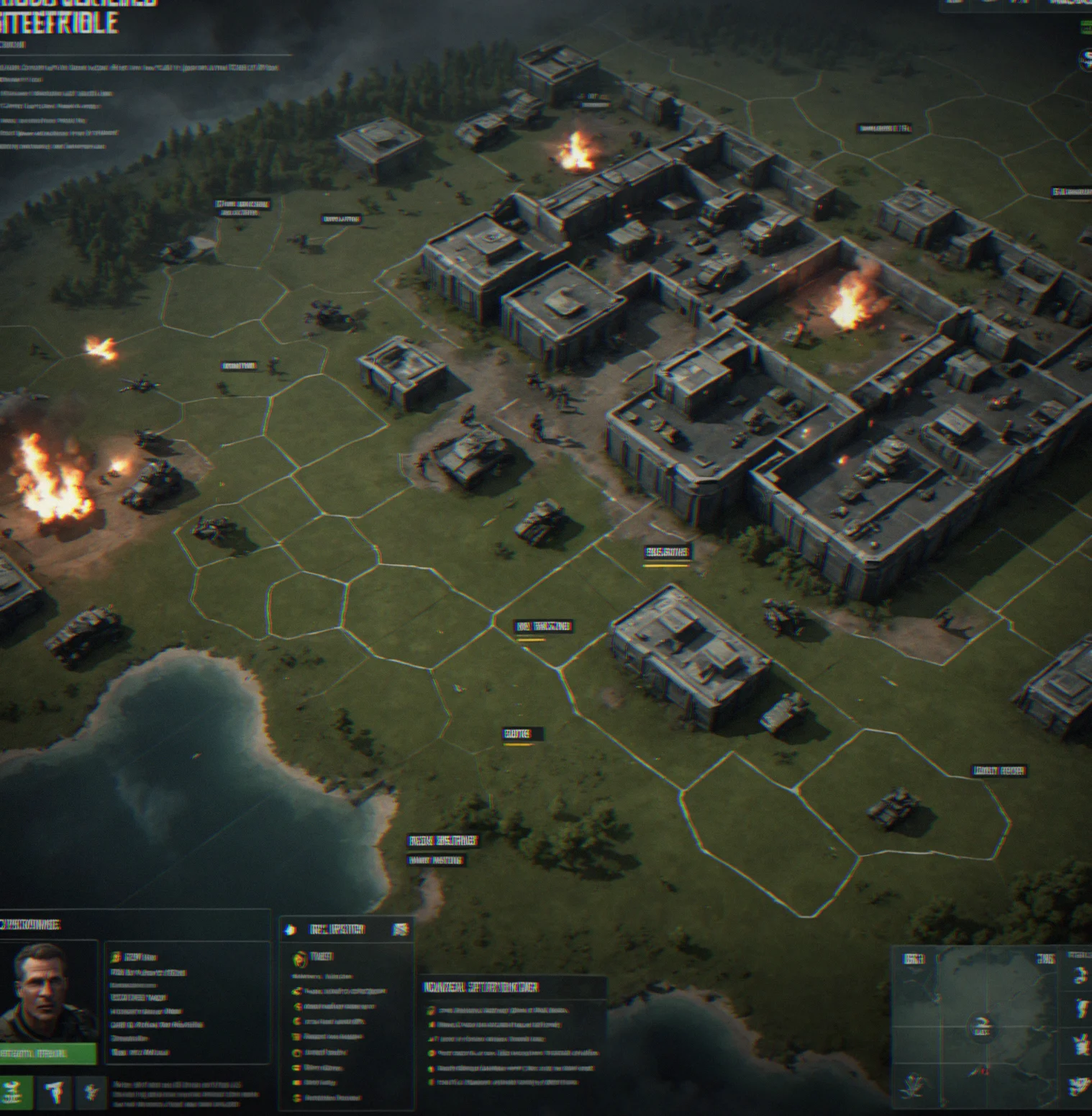
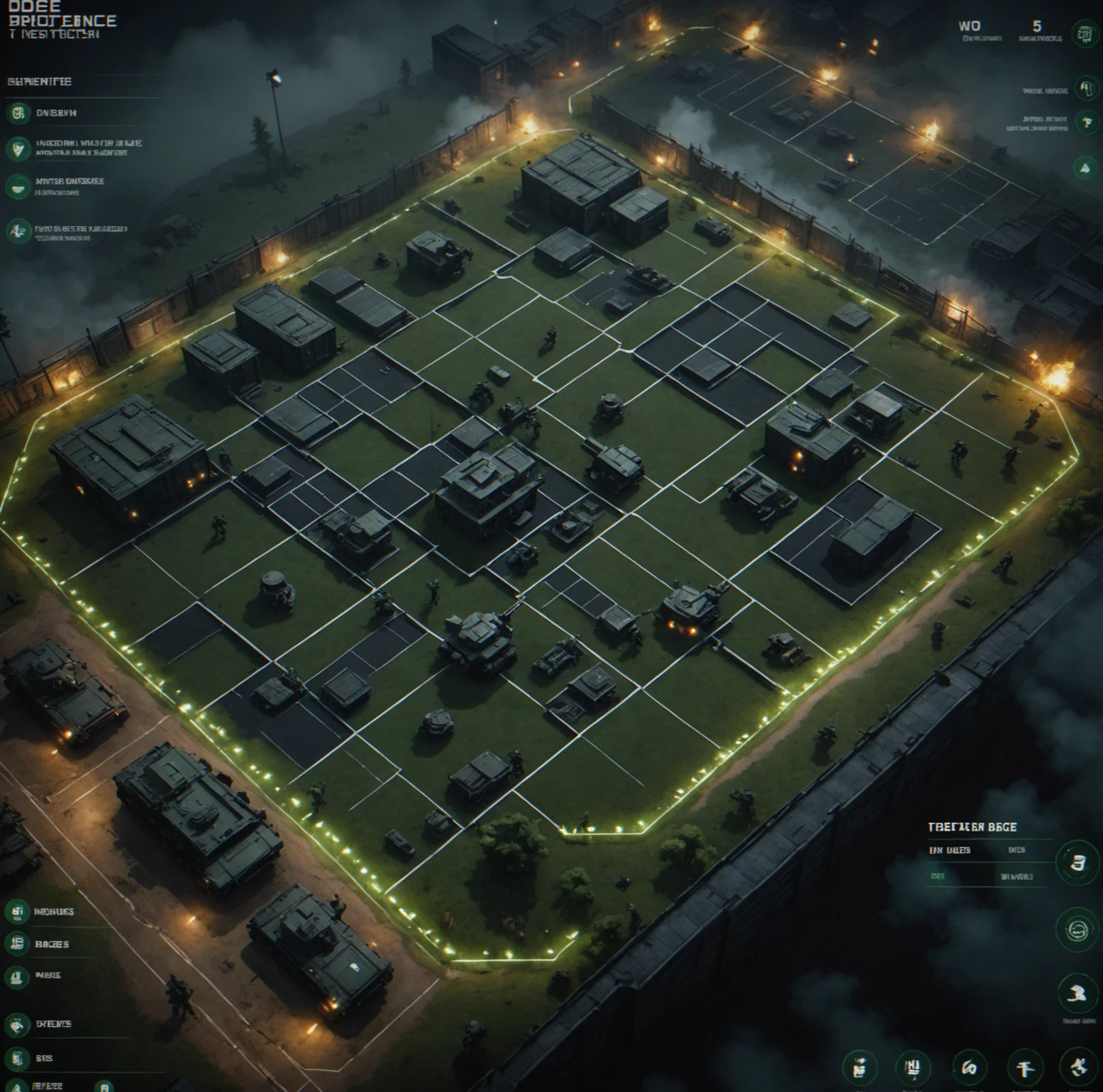
What does a real coordinated group look like? You get players matched by skill, timezone, and how they like to communicate. No noise, no surprises.

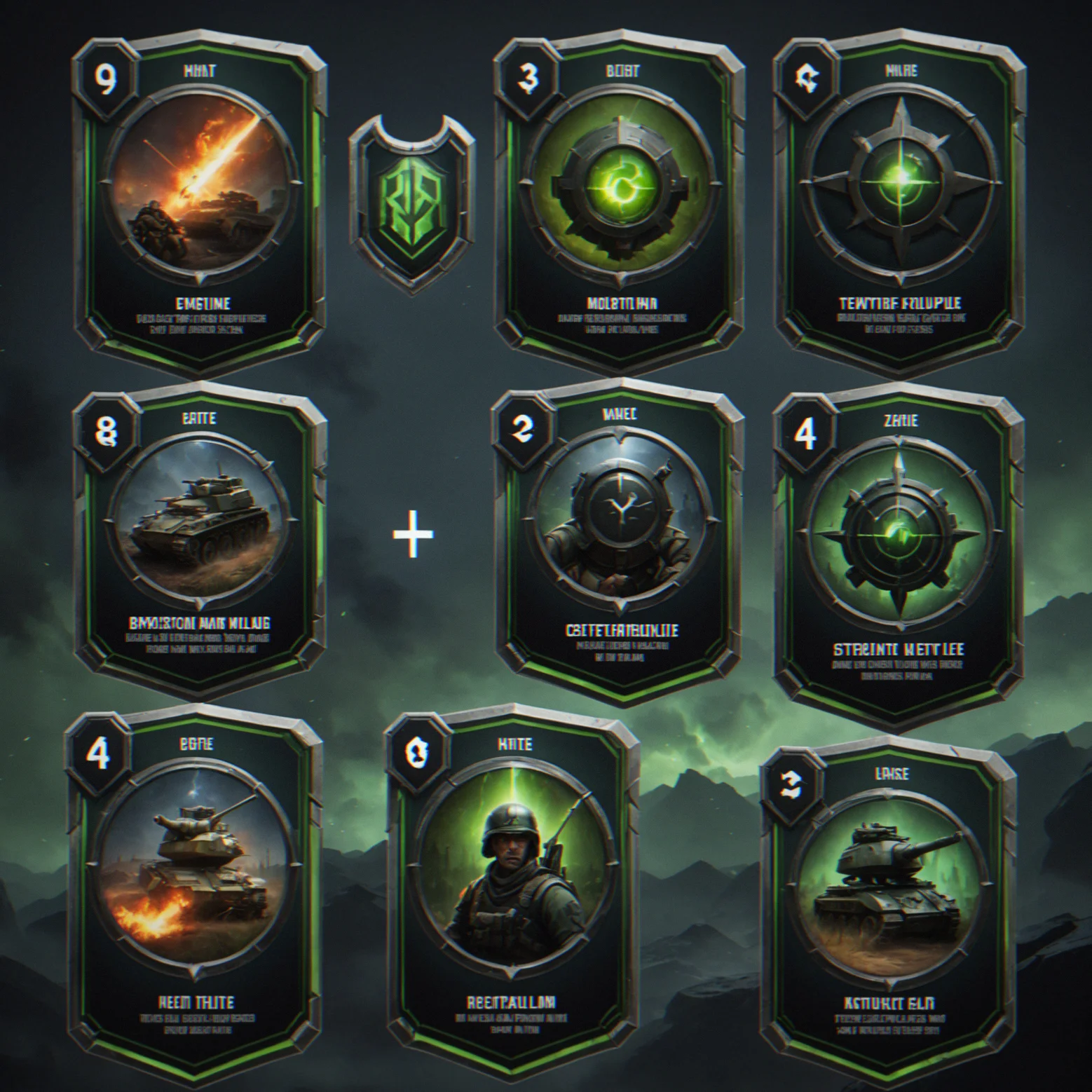
Role and skill matching
Find tanks, healers, and DPS players who are actually geared for what you're running. WoW raids need all three roles, and picking undergeared players tanks your DPS check hard. OpenRaid shows you who's prepared.
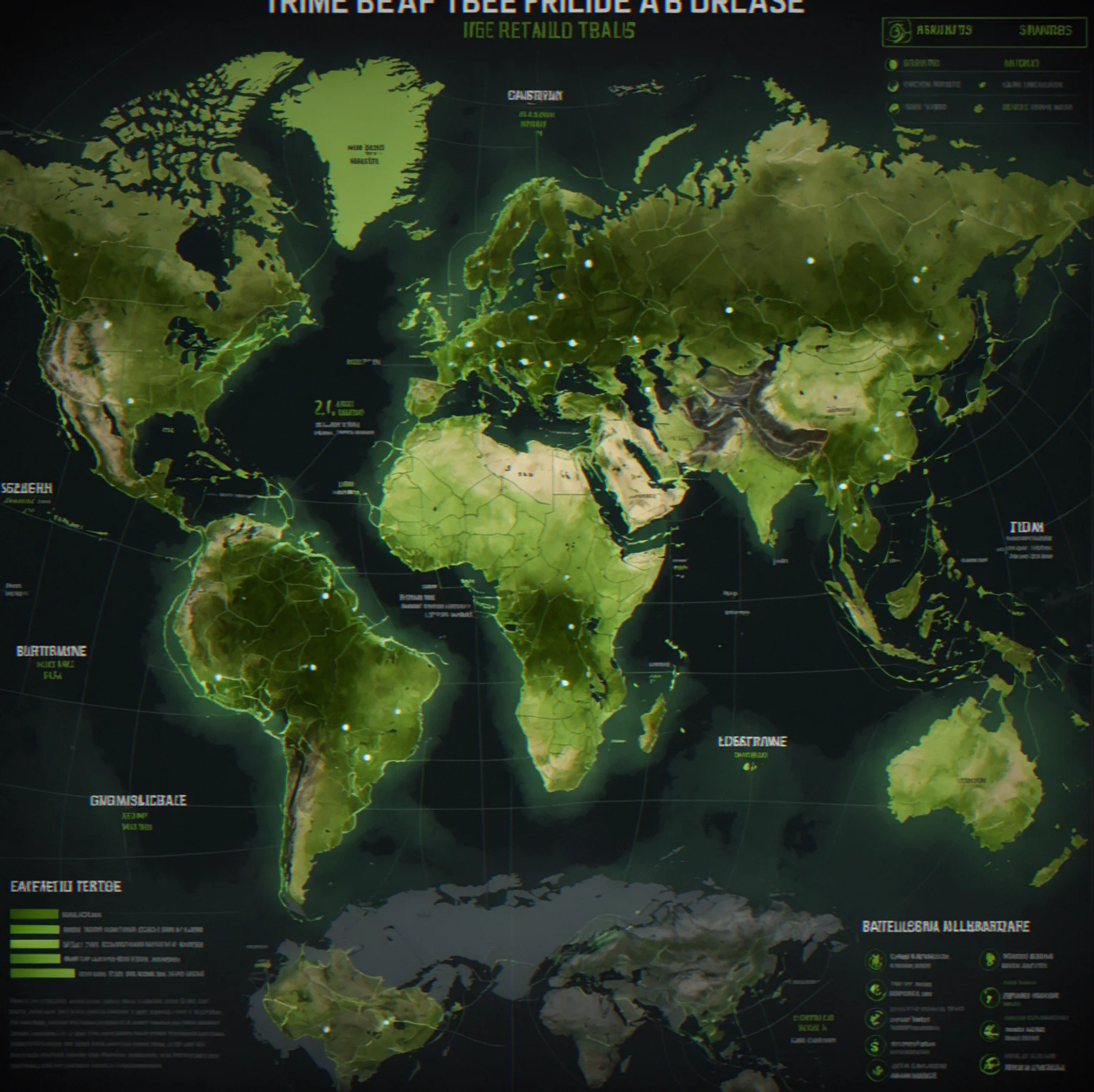
Timezone overlap scheduling
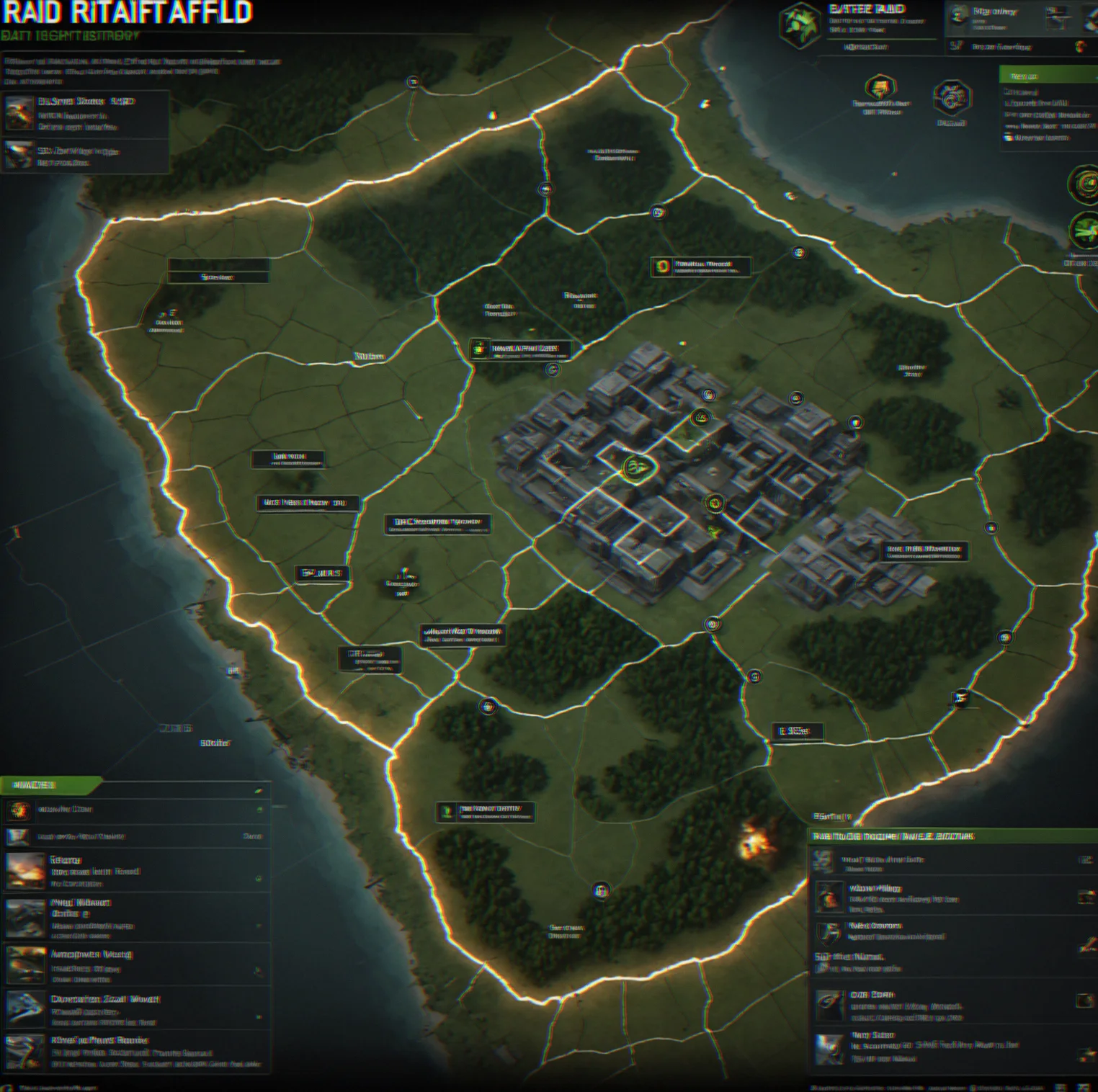
Raid times don't move. Your group spans three continents? OpenRaid finds the green window where everyone's actually awake and can play. Beats trying to figure it out by hand across a dozen time zones.
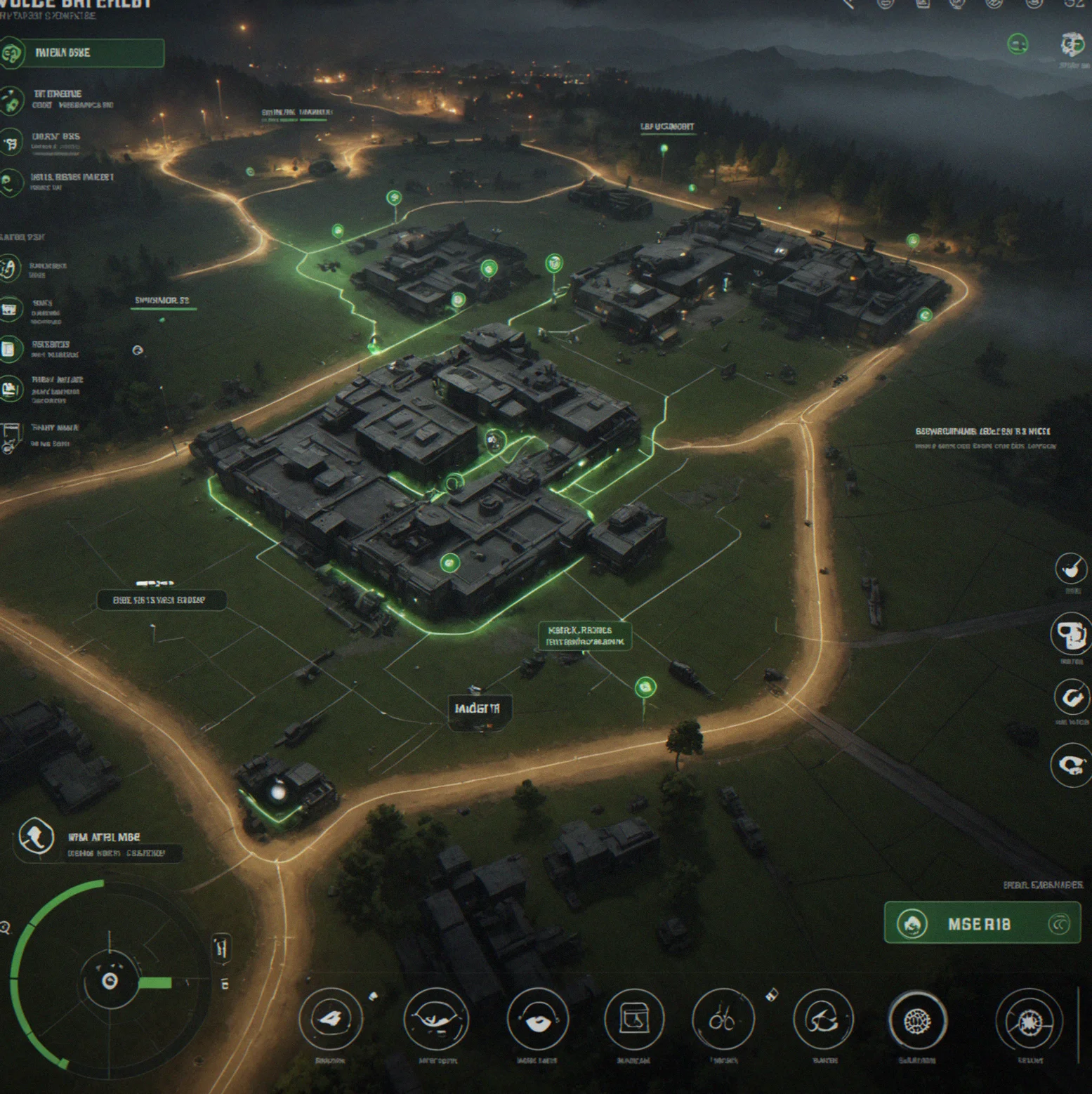
Communication style filters
Some groups live in Discord voice. Others run text callouts only. Elden Ring summons need to coordinate but don't require a headset. Filter for teammates who match your actual setup.
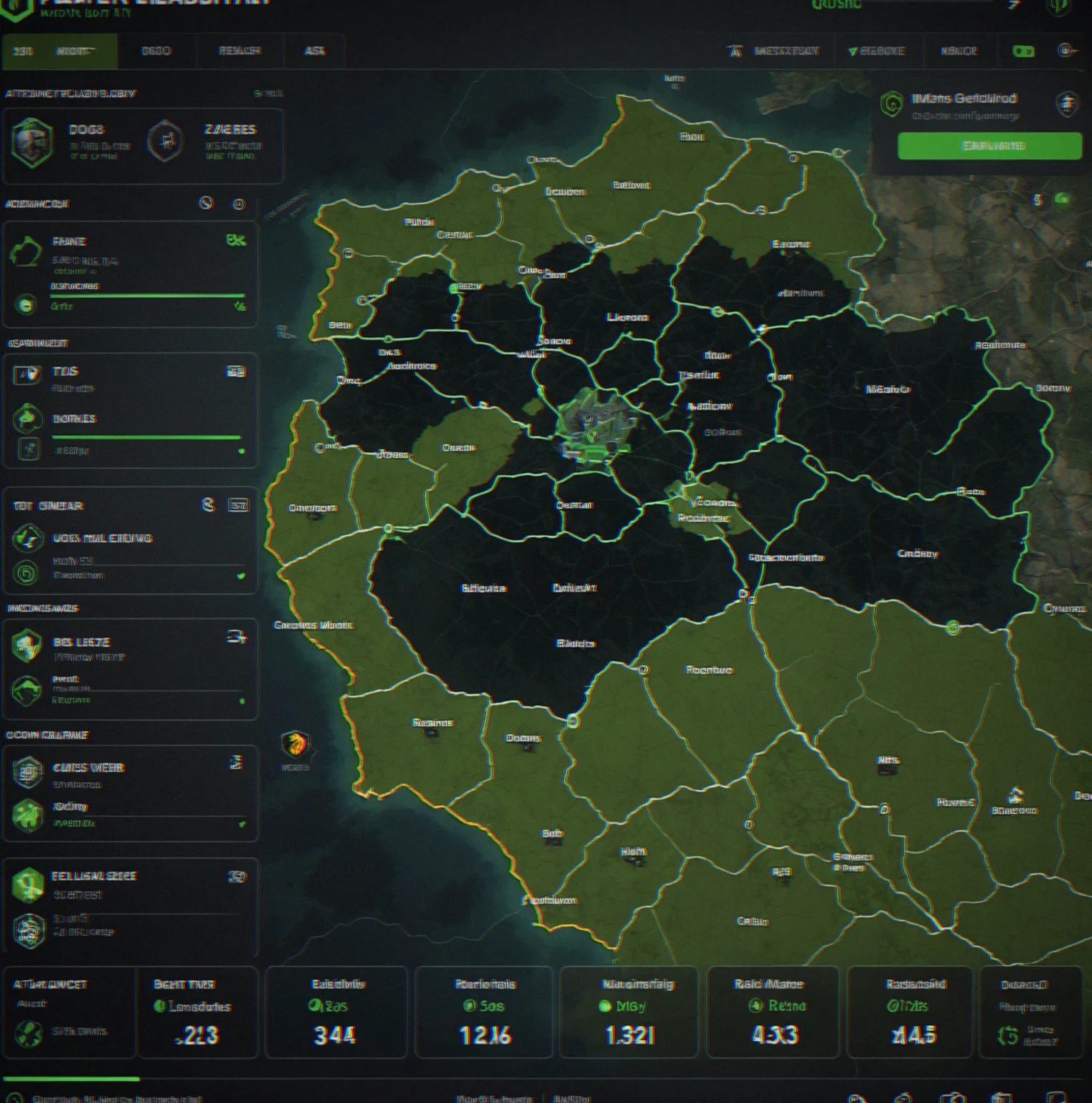
Attendance and reliability tracking
AFKs are the wipes you never recover from. OpenRaid logs who shows up, who bails last-minute, and who stays through the kill. You end up with people you can actually count on.
Why groups fall apart, and how not to be that group
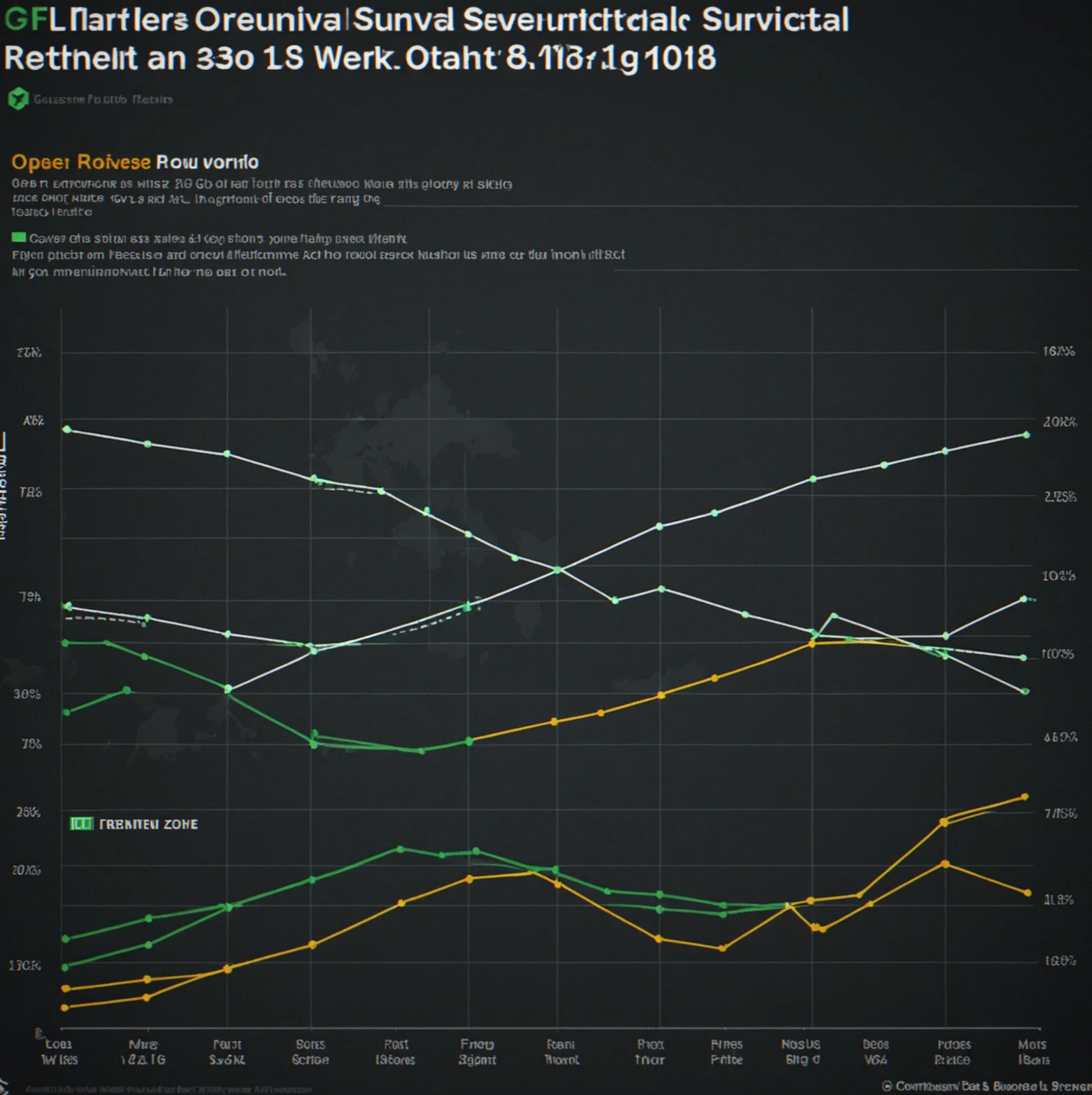
Most LFG raids wipe because someone didn't prepare. Not malice—just a healer running on fumes, a DPS who skipped the mechanic explanation, a tank in last week's gear. You can't carry three people through a damage check. OpenRaid shows you the red flags before anyone pulls: gear score, whether they've actually done this before, if they show up. Groups that form here actually stay together. The math works out. Ten people who know what they're doing beats twenty people winging it.
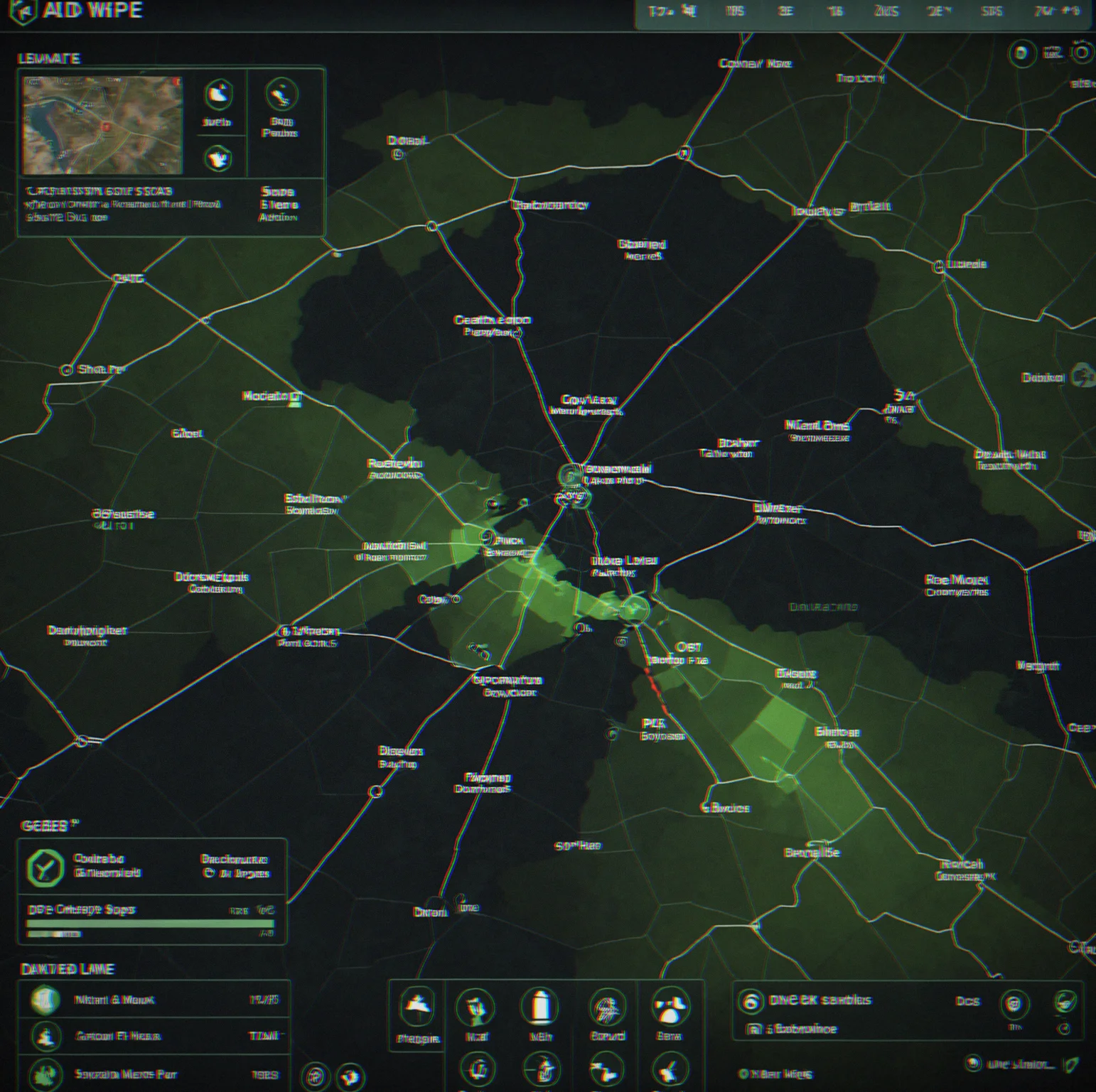
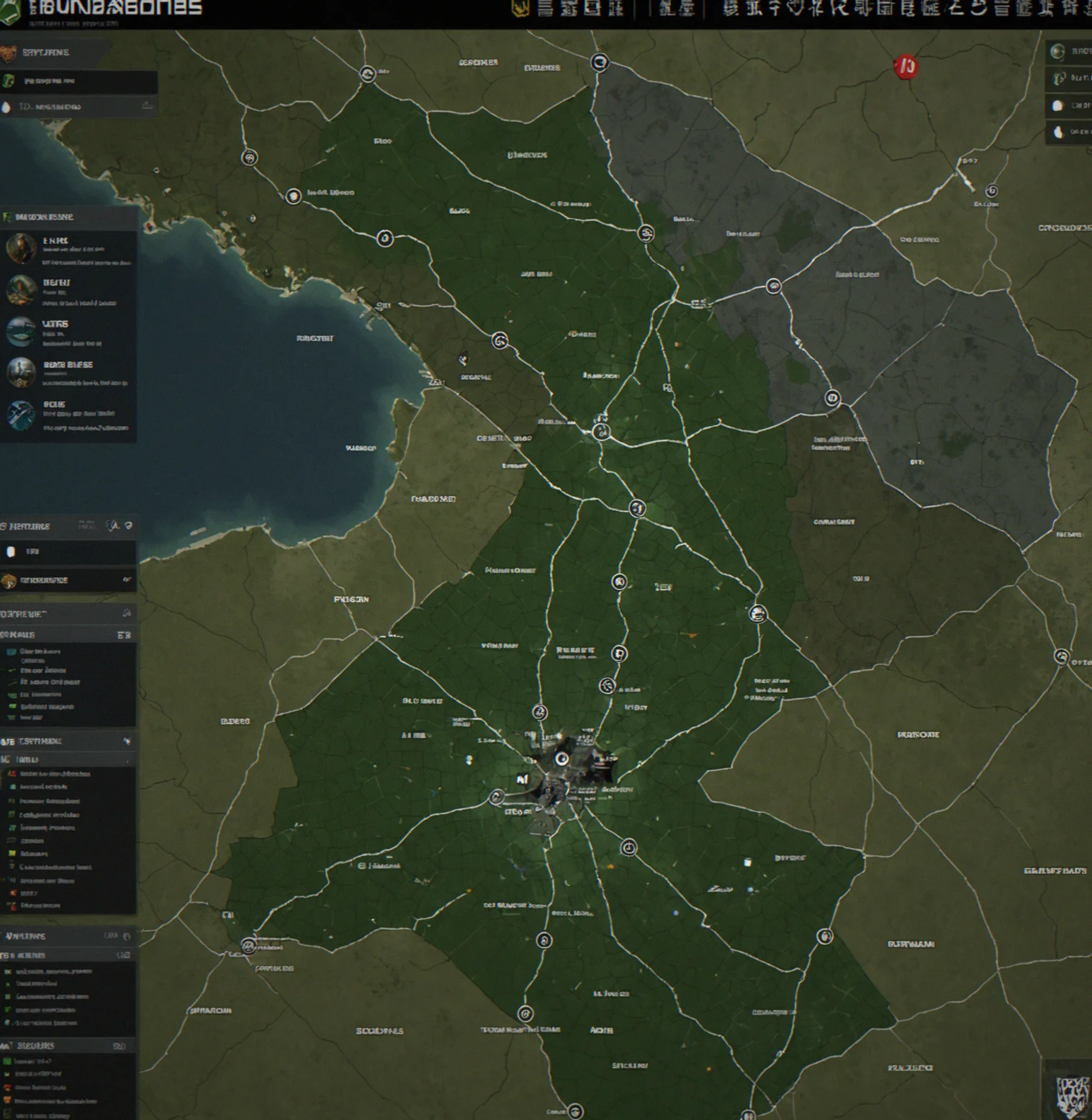
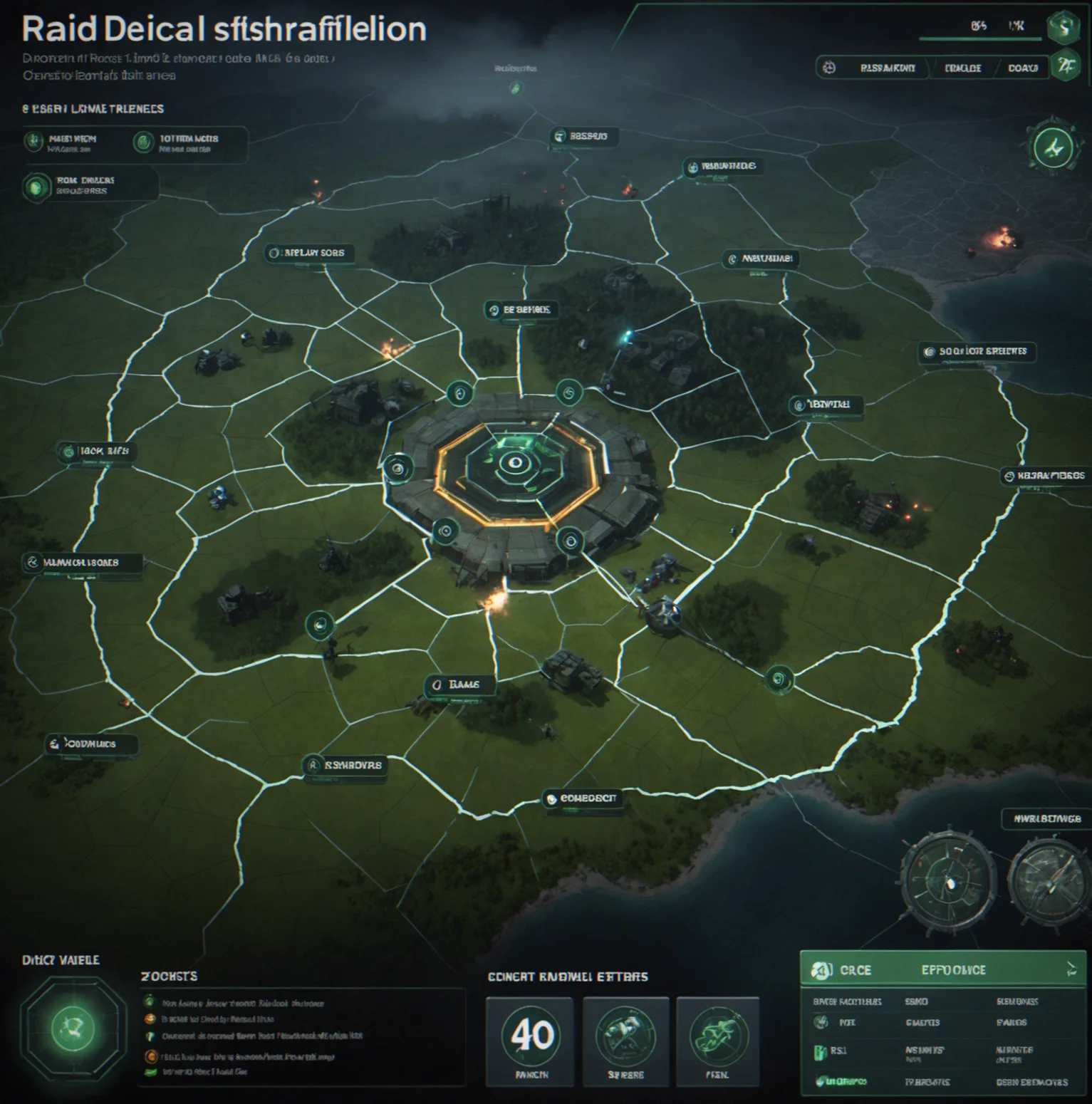
The difference between a raid and a wipe
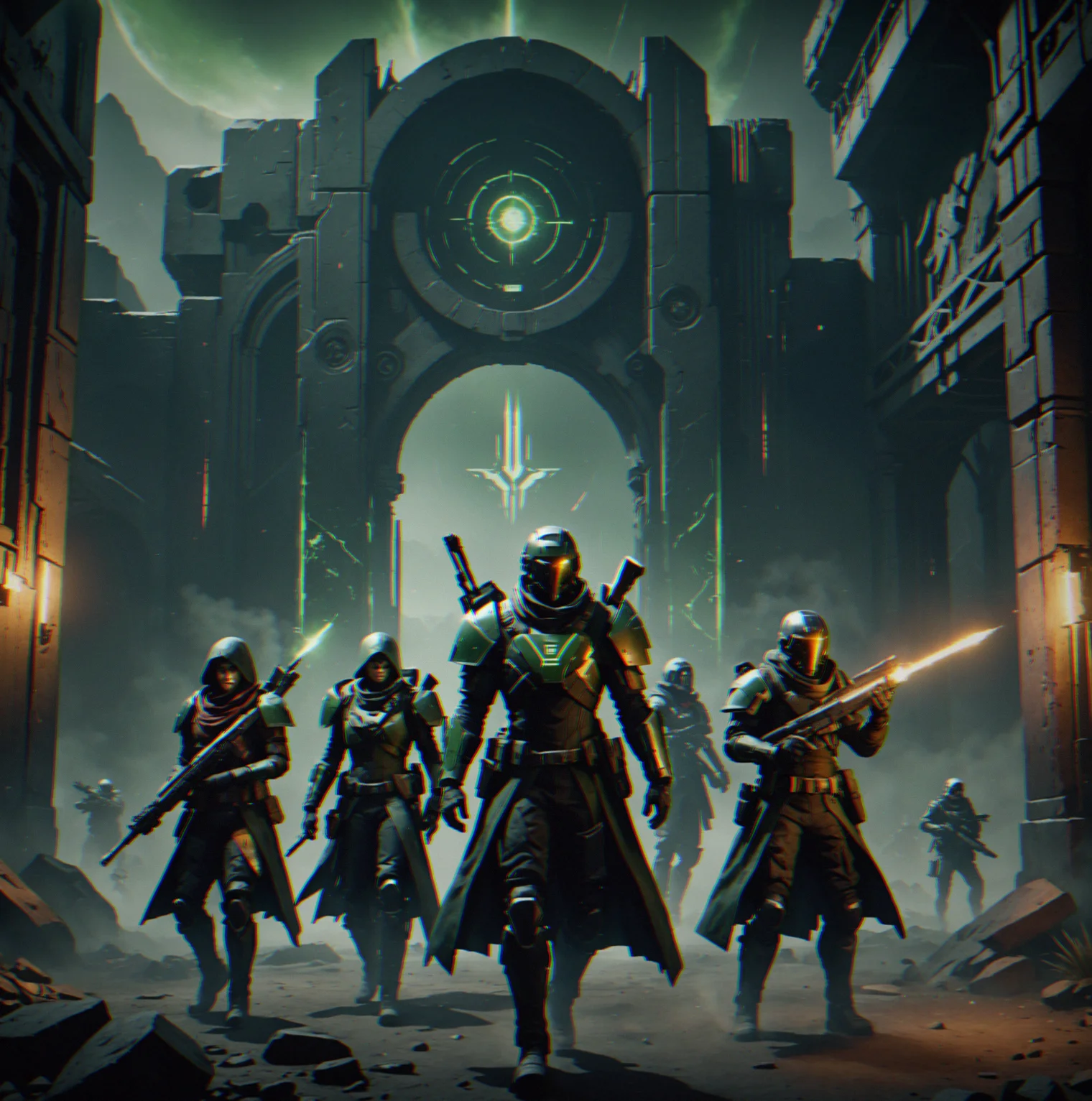
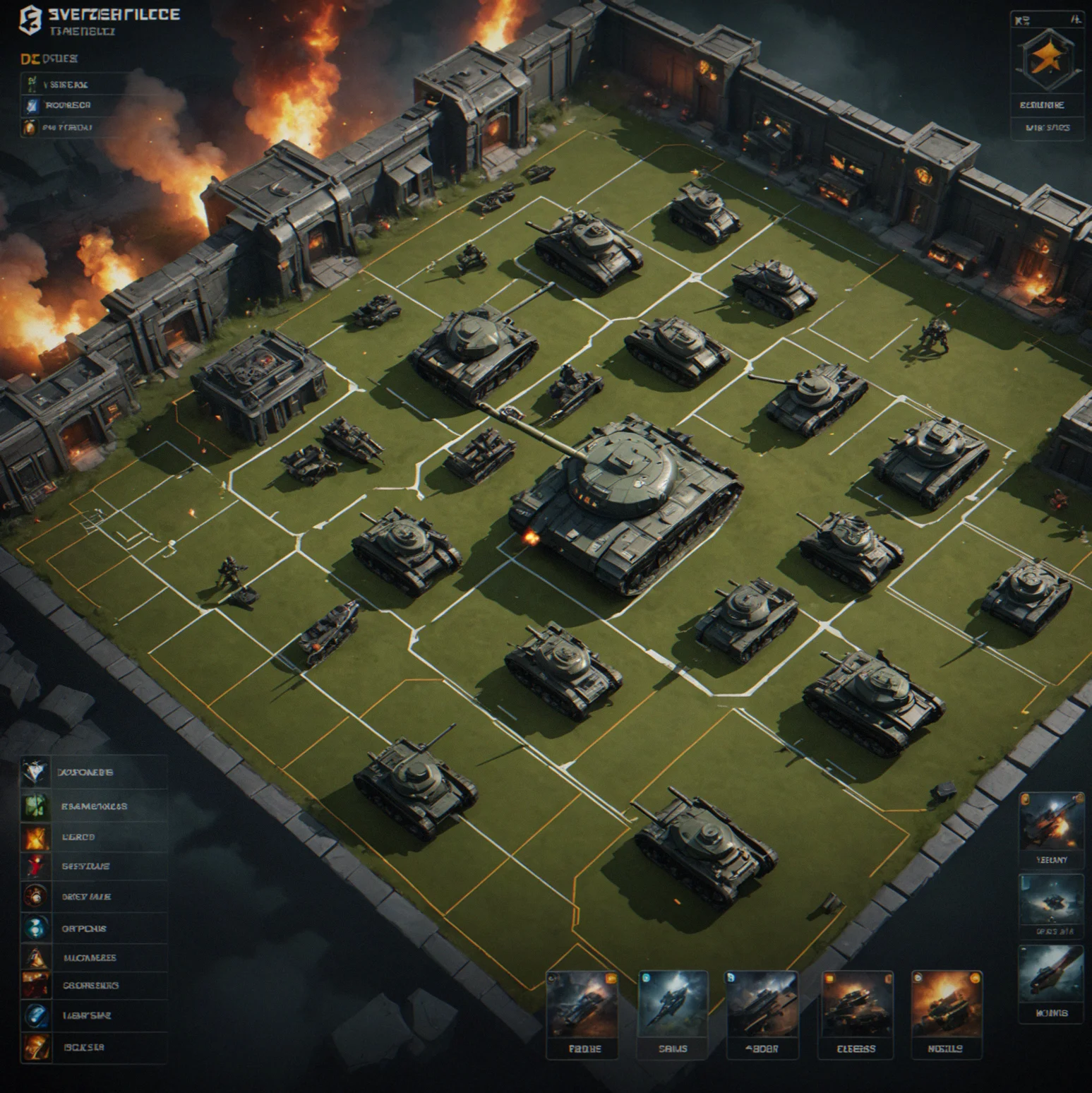
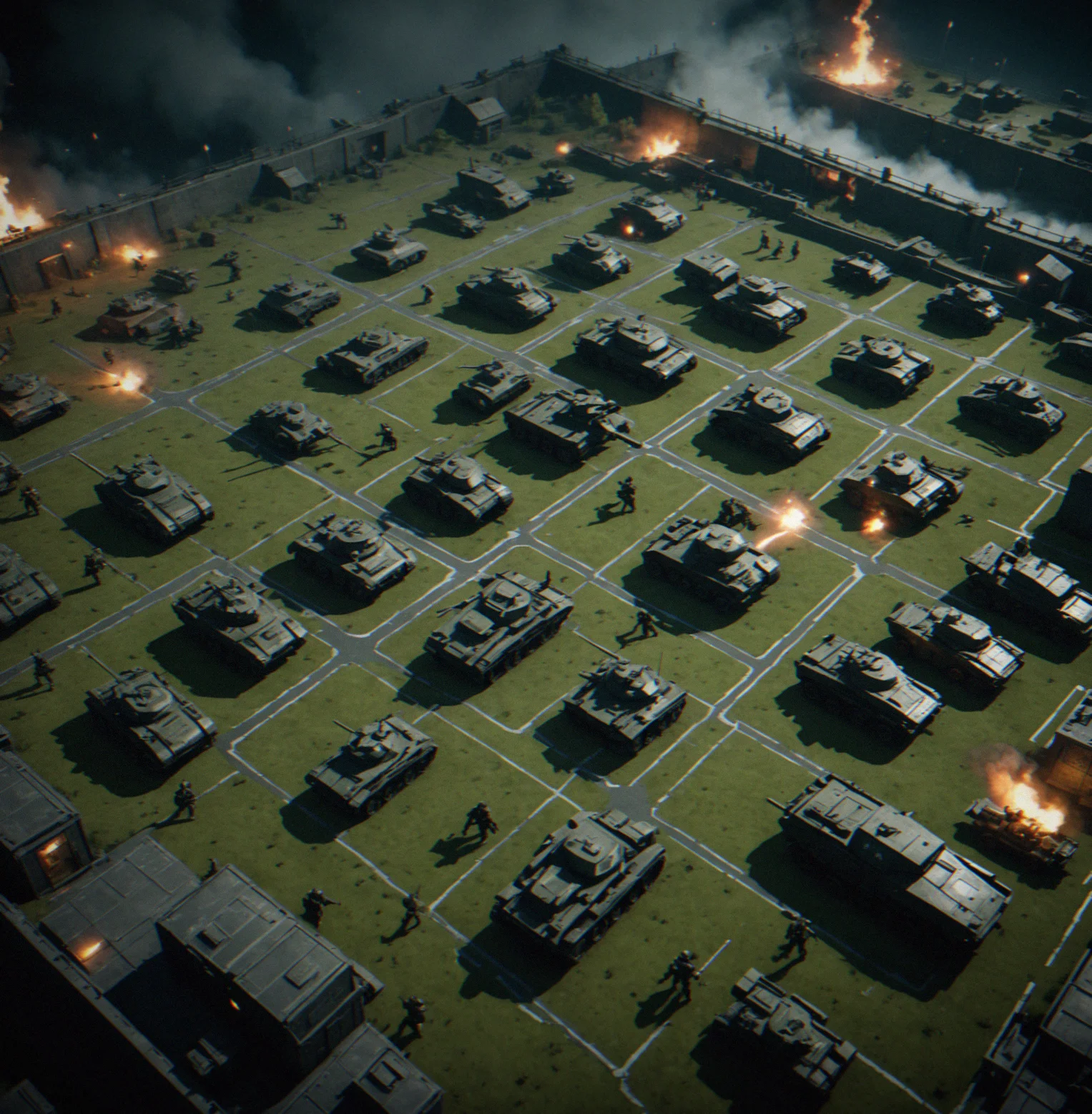
This is what actually coordinated looks like. Everyone's got their role locked down, gear's on the same level across the board, people know how to talk to each other—it all adds up. Nobody's scrambling when the pull happens.
Common raid problems and how OpenRaid solves them
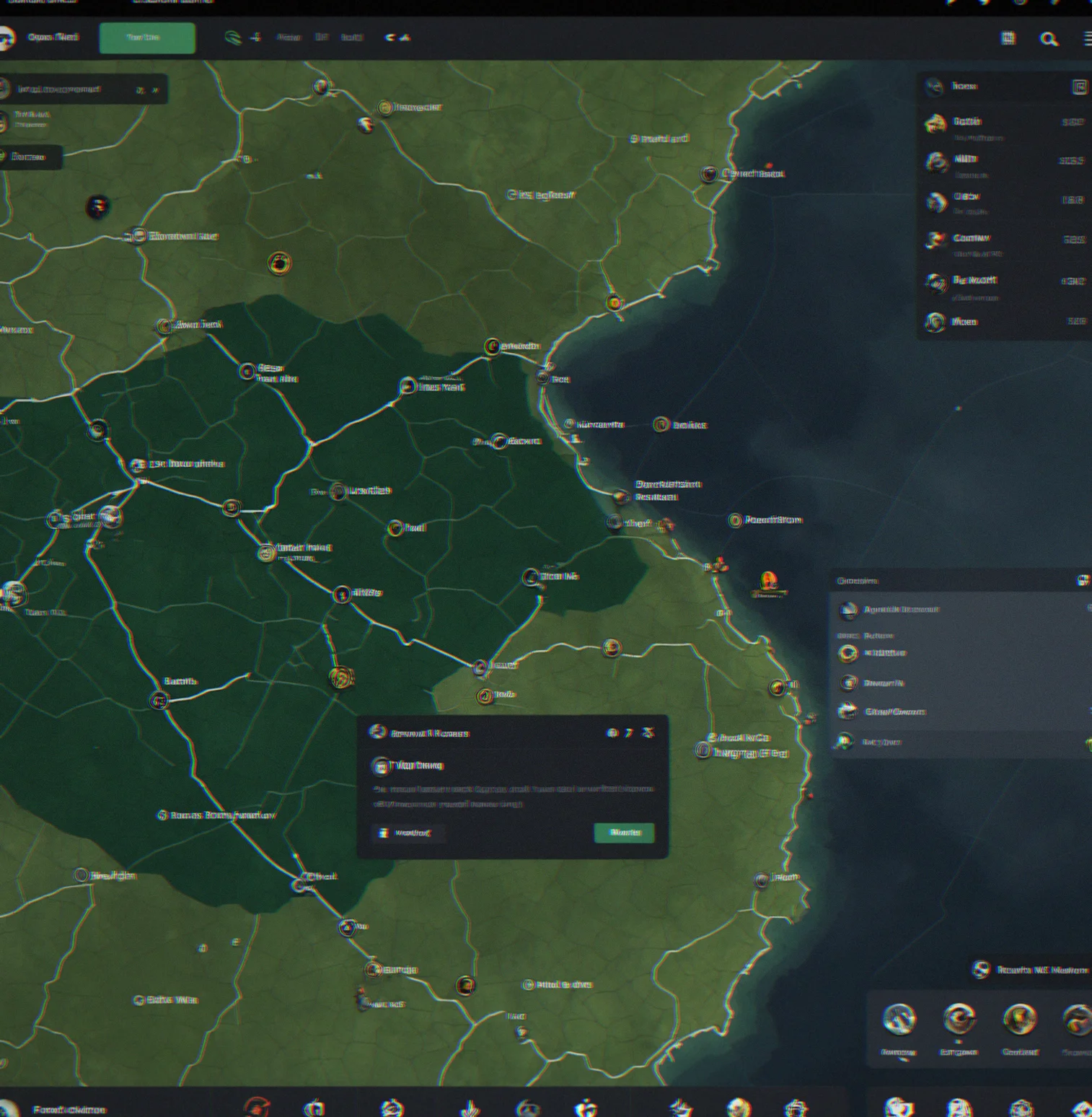
LFG spam and noise
Trade chat's basically unreadable. Discord servers? Fifty recruit posts a minute flooding in. OpenRaid filters by Role, gear, timezone and how people communicate. You get actual matches instead of drowning in noise.
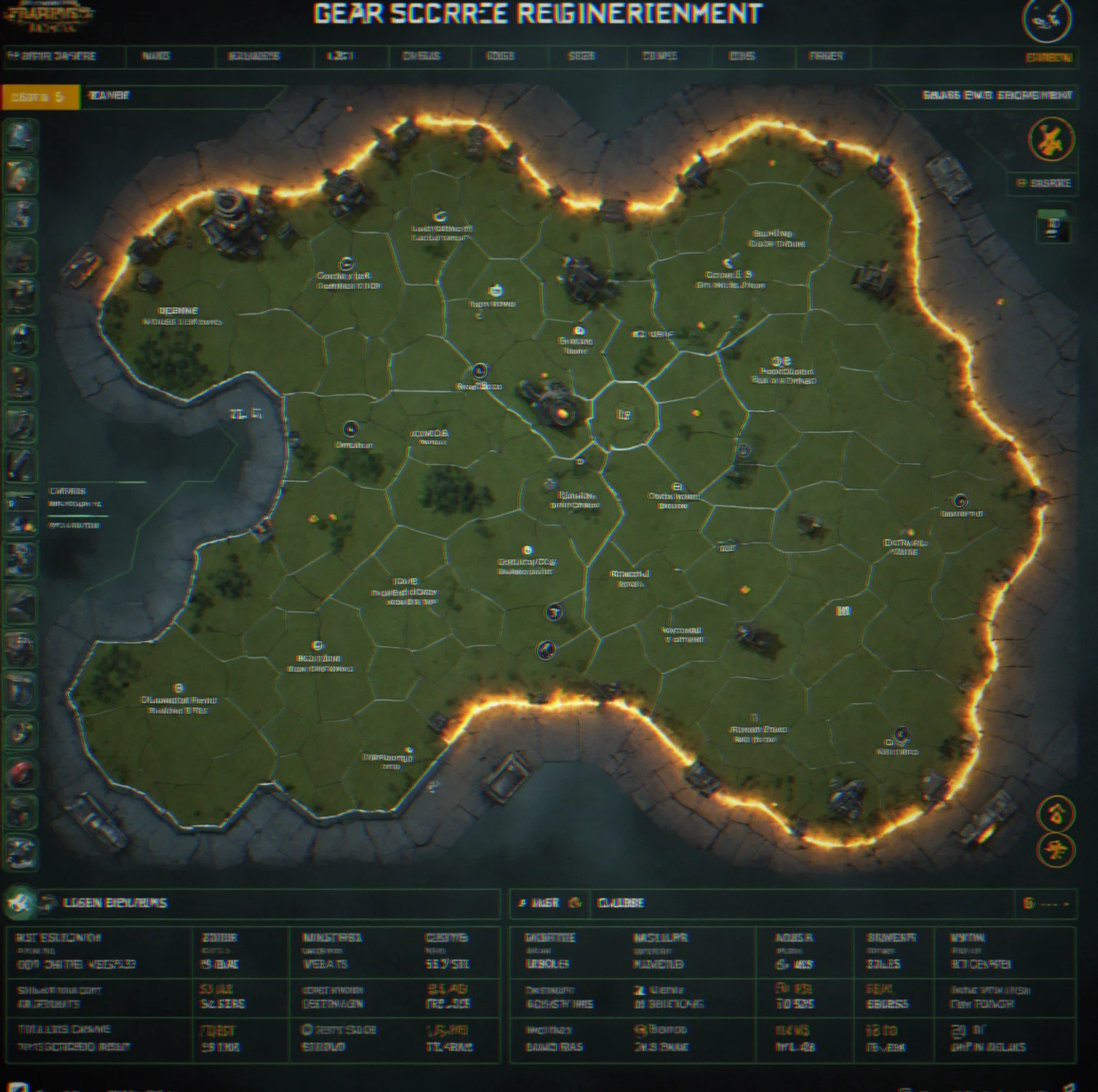
Pulling with undergeared players
Someone joins at 370 item level. Raid needs 395. DPS check fails immediately. Wipe. OpenRaid shows what gear you actually need right there — no surprises when the pull starts.
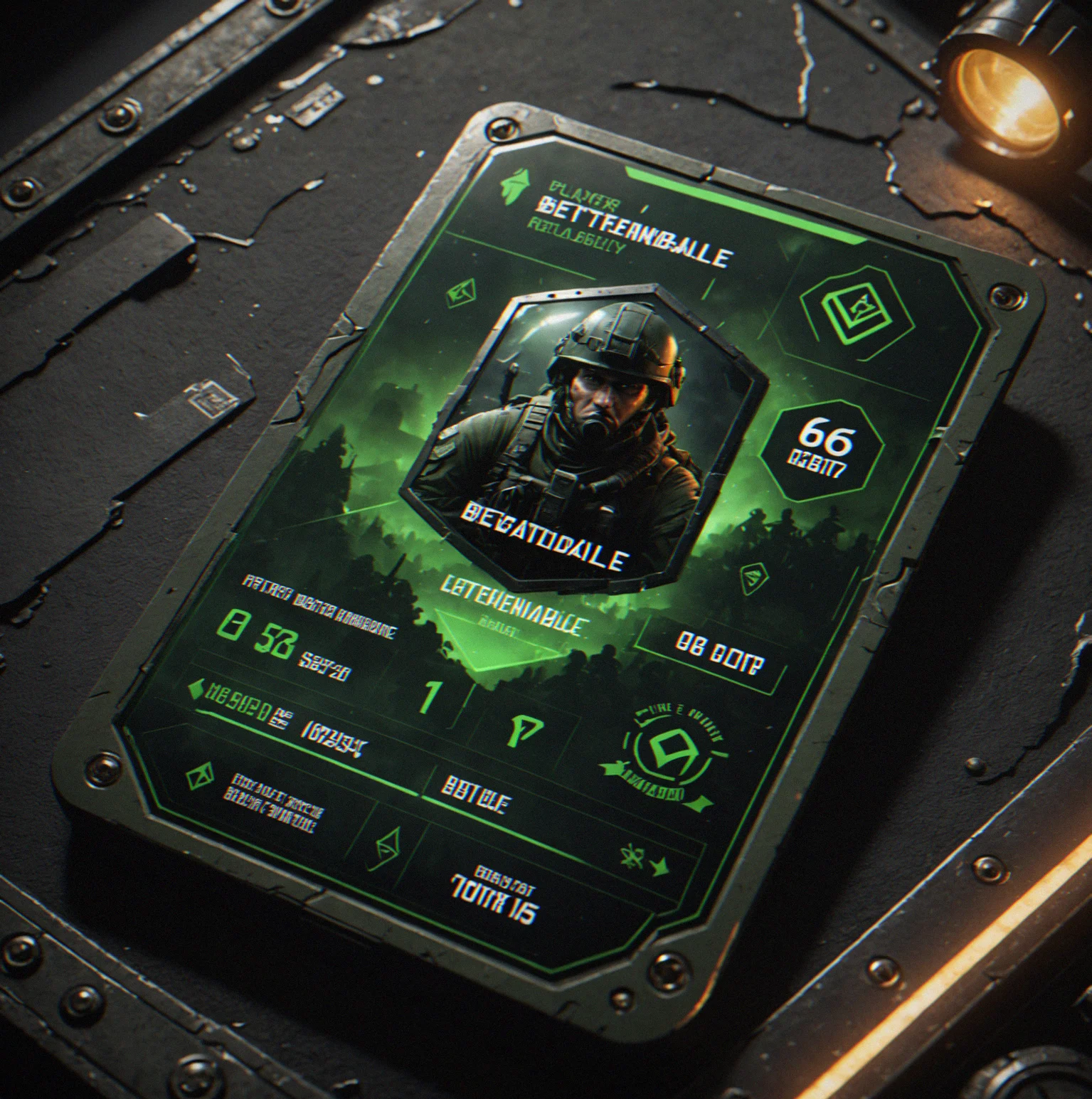
AFK and no-shows
Raid laeder reserves spots. Two people don't show up. Now you're short a healer. OpenRaid tracks who actually logs in and who ghosts the group.
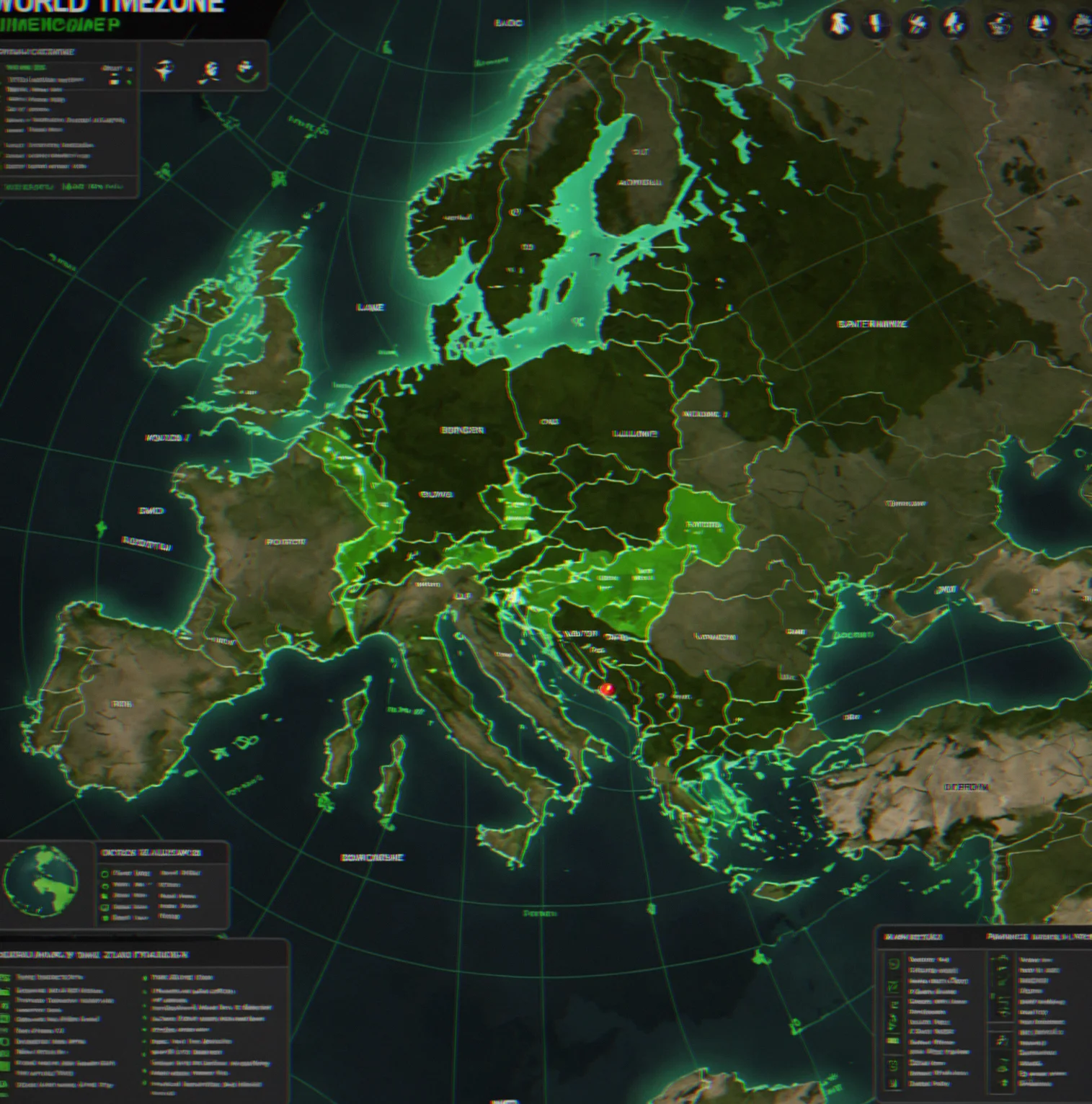
Timezone hell
Australia, EU, and US? Forget it. That overlap window doesn't exist. OpenRaid shows you the actual hours where everyone can play. No green zone means they don't fit.
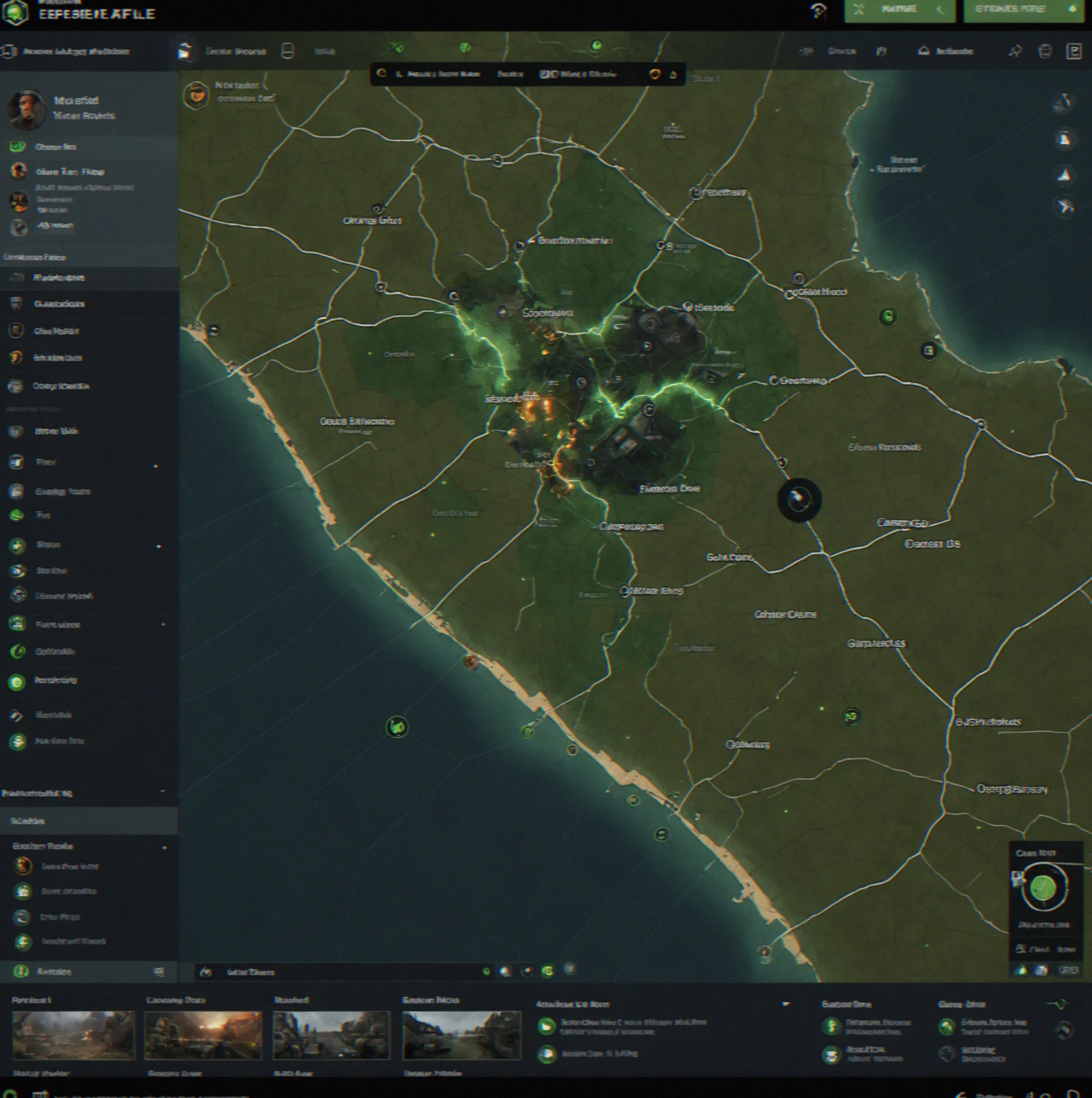
Silent players who don't know mechanics
Boss one-shots everyone because nobody watched the guide. OpenRaid lets you filter for people who actually communicate and know what they're doing.
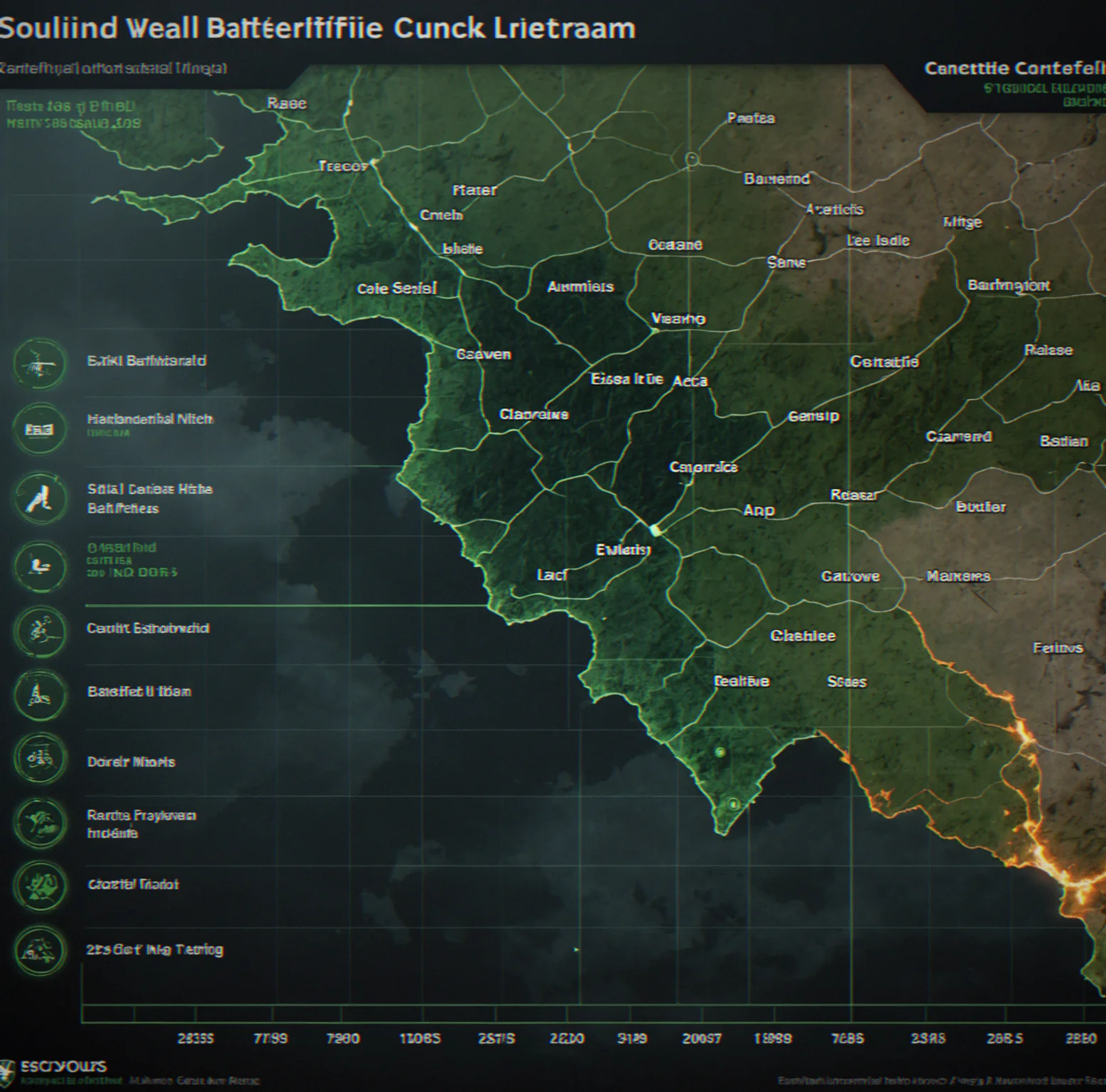
Mismatched skill levels
You need four solid players. Instead you get two carrying and two barely keeping up. OpenRaid shows raid history and actual DPS performance.
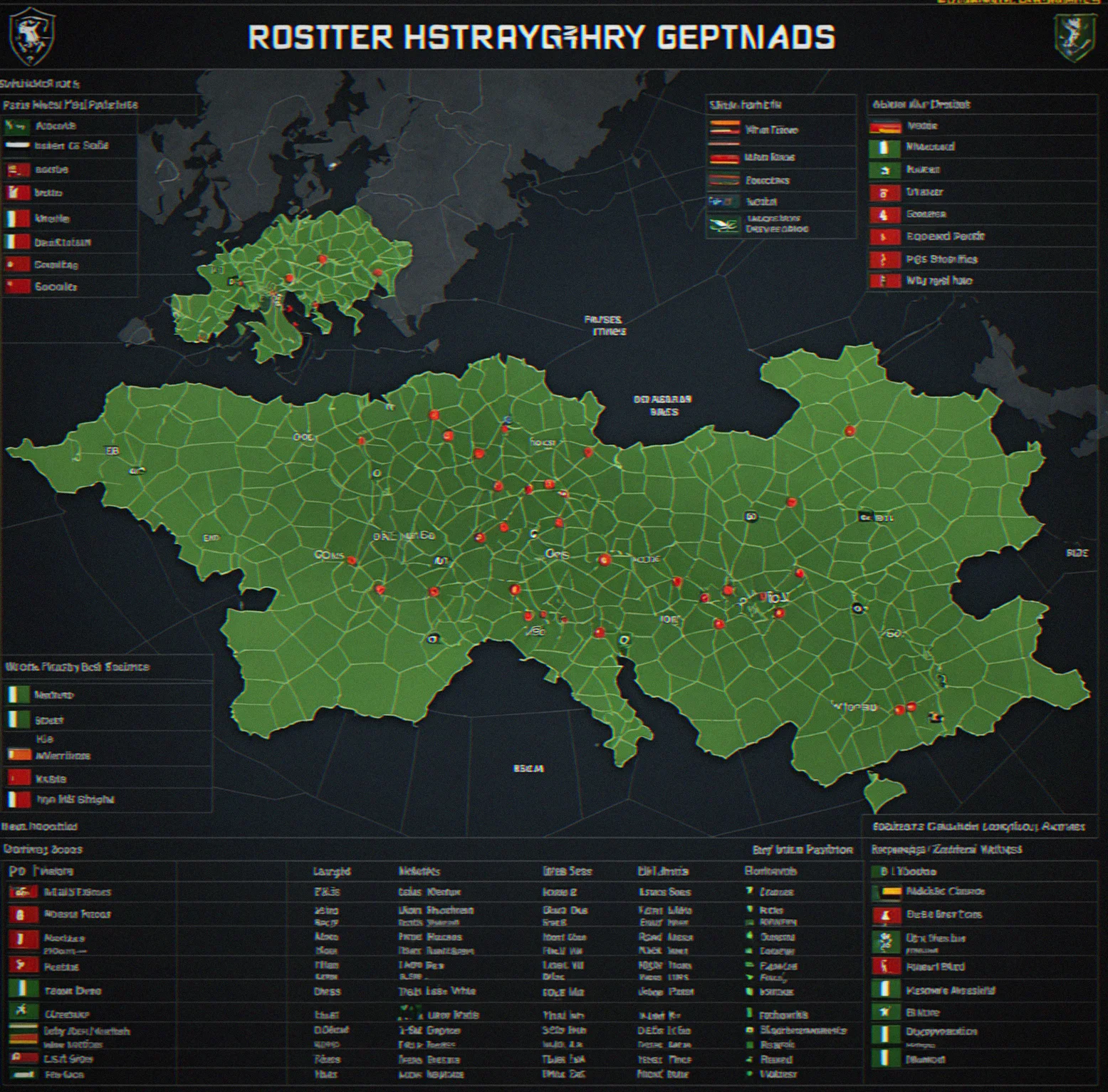
Groups that fall apart mid-tier
Everything's fine week one. By week three someone quits and your roster implodes. OpenRaid builds for people who stick around.
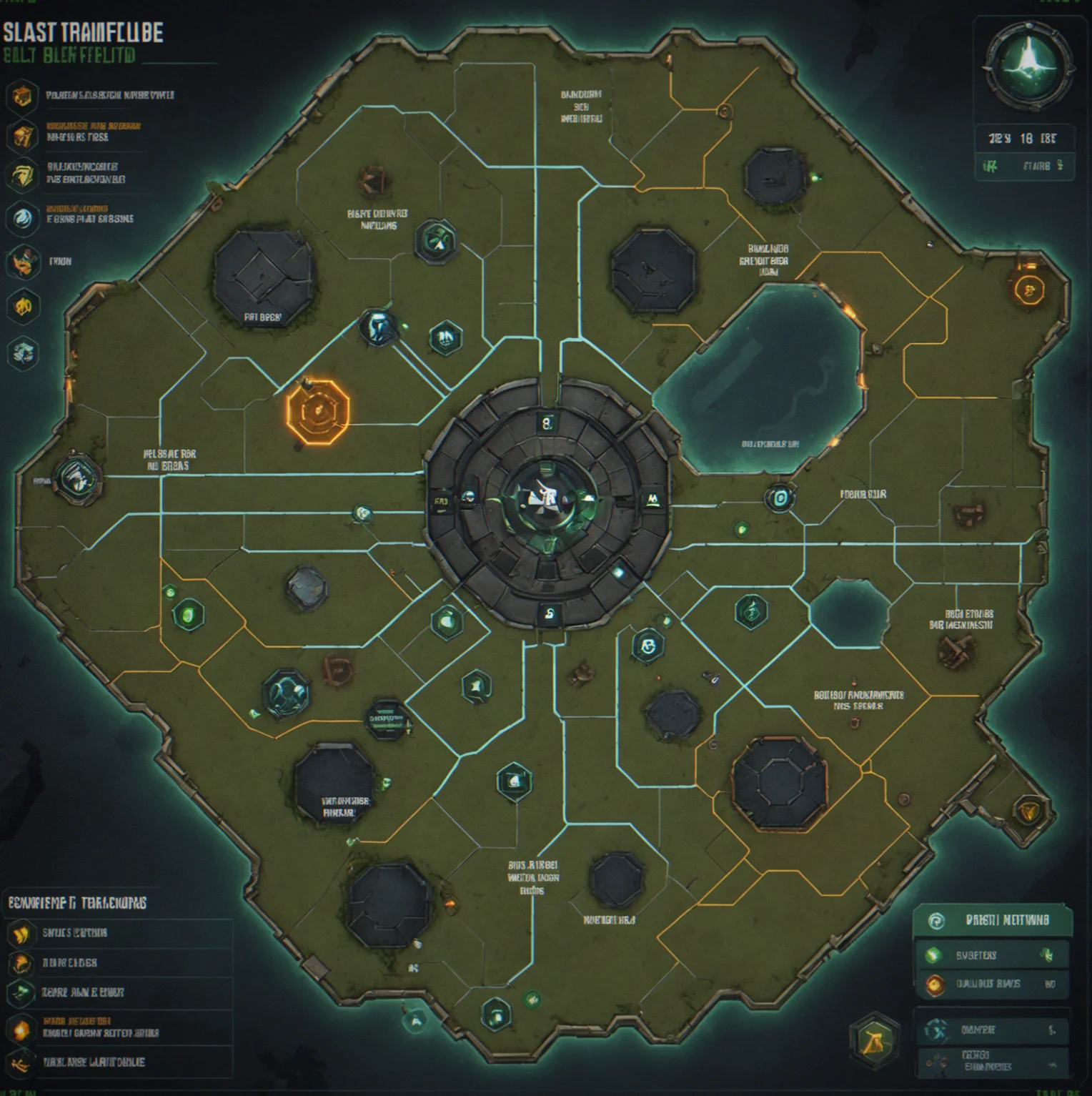
Role imbalance
Need one tank. Five people apply. Need healers. One person applies. OpenRaid shows you what's actually needed right now.
Destiny 2 and Elden Ring coordination
Three-player dungeons need tight timing. Someone's running old patch gear and your stasis bomb goes nowhere. OpenRaid filters by seasonal artifact level and who's actually done the encounter before.
The math is simple
Five people who know what they're doing beat ten who don't. That's all there is to it.
Build a roster that actually raids
What kills most raid groups? Not bad luck. Not server lag. It's the gap between who says they'll show up and who actually logs in at raid time. You need fifteen people committed to Tuesday night at 7 PM EST. One person missing means you're running with four healers instead of five or you're short a tank. That cascades. And the casual players filling those spots don't stick around once they realize the raid demands preparation.
OpenRaid filters for commitment signals that actually matter. Attendance history over the last few months. Timezone overlap that's real, not estimated. Communication style match — some groups run Discord, others use game voice only. Whether a player has watched the mechanic guides. Gear score and DPS check readiness. You're not looking for the best players in the world. You're looking for the reliable players in your timezone who show up prepared.
And that changes everything. groups that form through OpenRaid stay together for a full tier at a much higher rate than LFG groups do. The difference isn't raw skill. It's coordination, predictability, and the absence of surprises at 7:01 PM when the raid should start.
percent of OpenRaid-formed grooups that stay together for a full tier
minute average group formation time from profile search to invite sent
percent wipe rate for matched groups on progression content
Attendance verification
See who actually shows up. Not promises — actual raid logs and commit history going back a few months.
Role-specific matching
WoW raids need exact role ratios: one tank, five healers, fourteen DPS. OpenRaid fills slots, not gaps.
Timezone efficiency
No scheduling across nine time zones by email. The platform shows you the green window where everyone can play — that matters.
Mechanic readiness
Filter for players who've cleared the encounter or studied guides. No one walking in blind to a one-shot mechanic.
Communication style alignment
Some groups are Discord voice only. Others prefer typed callouts. Match both, or the group doesn't work.
No more LFG spam
Trade chat, Discord recruitment channels, general forums—it's all noise. OpenRaid cuts through that and shows you actual players who fit what you need. Gear level, timezone, role, how they communicate. Instead of digging through hundreds of posts, you're looking at three clicks.
Skip the AFKs
Attendance data doesn't lie. OpenRaid keeps track of who actually shows up to raids and who vanishes right before things start. One pull tells you everything.
Gear and mechanics alignment
Bring someone sitting at 370 item level when you need 395 for the DPS check? Wipe. Bring someone who hasn't read the mechanic guide? Another wipe. OpenRaid shows both before you even form the group. You see exactly what you're working with, which means you skip the eighteen minutes of trash and the reset that comes after.
Timezone solved
You're in EU. Someone else is US. Another player is in Australia. Finding a raid time usually means a chain of emails back and forth. OpenRaid just shows you the overlap automatically.
Getting started
Common questions about OpenRaid
A lot of these come straight from people who've had bad experiences with LFG spam or groups that just fell apart silently. If you don't find what you're looking for here, try the knowledge base or reach out to support.
Around a dozen minutes from browsing profiles to sending invites, give or take, if you're willing to be a little flexible with roles. Looking for three specific tank mains at your exact gear level in your exact timezone? That's going to take longer, probably closer to an hour. Most WoW raid groups come together within half an hour. Destiny 2 fireteams and Elden Ring summons move faster — usually five to ten minutes.
You can kick them and bring in a backup instead. But honestly that misses the whole point. openRaid pulls data from raid history, DPS checks, and attendance records — if someone's really undergeared or doesn't know what they're doing, it shows up on their profile. The system isn't perfect, but you're getting actual information instead of what LFG gives you, which is basically just a name and a class icon.
Nope. You can filter for groups that require voice, text-only, or either option. If a group needs tight callouts but someone prefers typing, you'll catch that when you're looking at their profile — before you even form the group. Interestingly, some of the hardcore raiders actually think text callouts work better.
Then OpenRaid won't find you a match and that's just how it is. Most hardcore raids fill during peak hours in your region. Hunting for Elden Ring summons at 3 AM EST? Your pool shrinks. But you get real visibility into who's actually available instead of sitting in Discord channels hoping someone shows up eventually.
Not really the right fit. The platform's built around people who need teammates they can depend on for content that requires coordination and commitment to a schedule. If you're after solo experiences or just one-off casaul groups, general LFG channels are your answer. OpenRaid's for players who actually show up.